
It’s a nod to a great style statement wearing a jump-hour watch
By Nagmani
Inventions are part and parcel of any creative field we’ve been involved with since time immemorial. After all, the qualitative pace of life will be sitting on the edge of monotony without them. As with all new discoveries, there is this biting truth that some instantly go on to become highly popular while others, though initially impactful in substance, get obsolete. However, they do make a strong comeback to steal the limelight once again. And the watchmaking industry is no stranger to this golden-moment phenomenon thanks to its history of innovative designs and complications from the outset. One such model in the history of watchmaking has been a jumping hour wristwatch. Interestingly, it has always been known for its engineering excellence as well as sublime look. How so? Let’s unravel the secrets behind this.
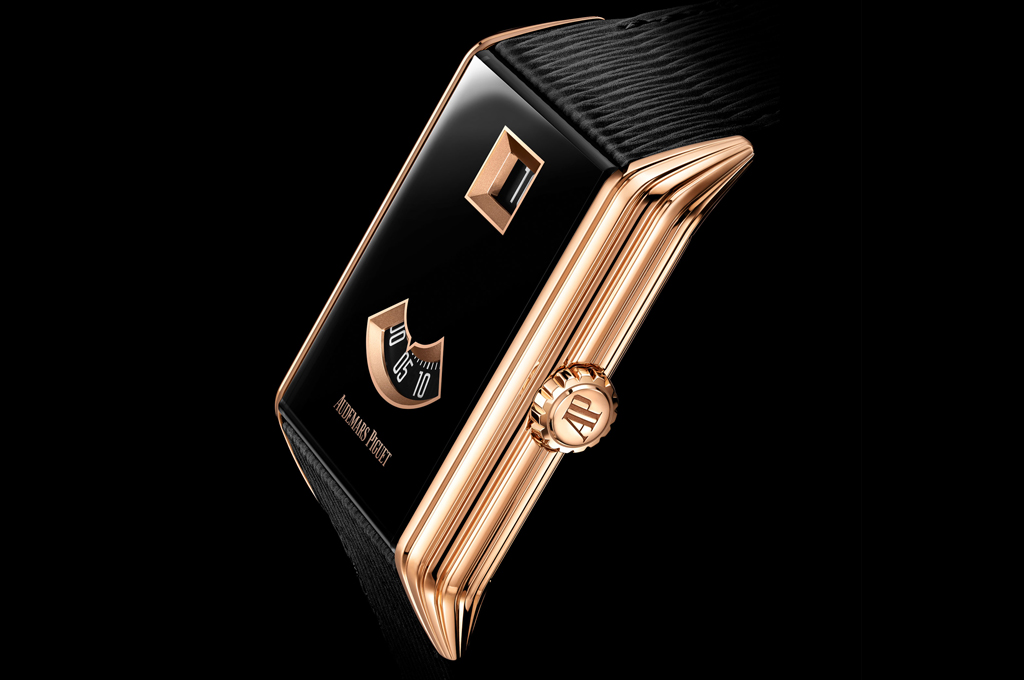
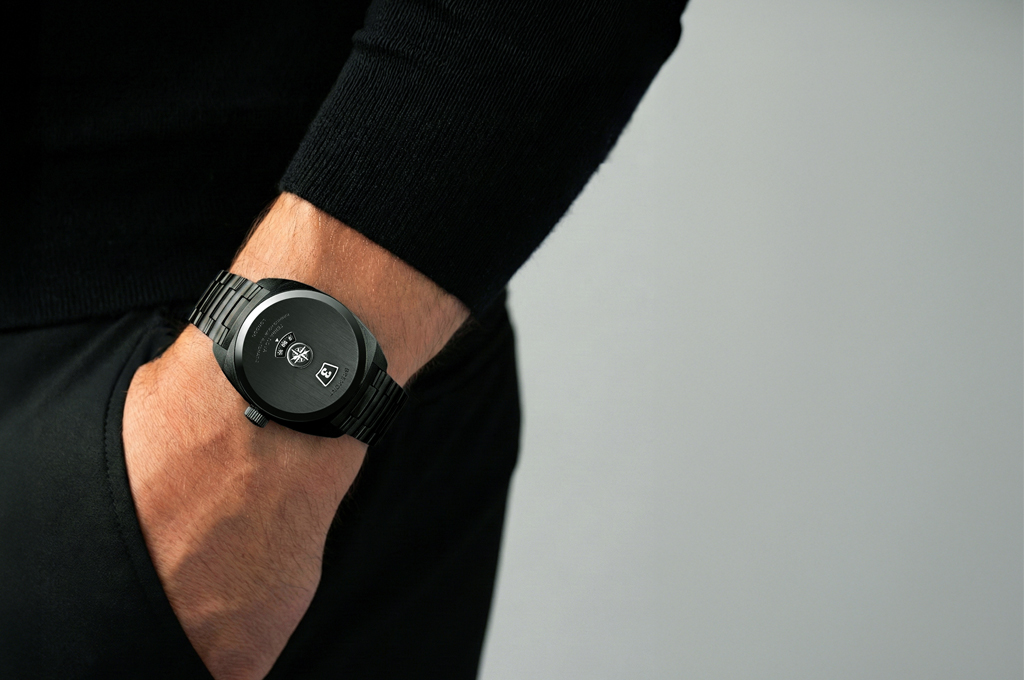
We begin this year with a bang. The arrival of the incredibly quirky yet elegant Neo Frame Jumping Hour watch by Audemars Piguet is undoubtedly a great step forward when it comes to reviving this watch prototype that played a key role in the early days of wearing wristwatches whilst they were still summoned as a big novelty. It has set a whole new benchmark in the making of its own jumping hour timepiece in ways that simply grab the attention of watch connoisseurs in no time besides blowing their minds.
The Neo Frame Jumping Hour watch is an excellent fusion of futuristic Art Deco aesthetics and contemporary intricacies offering watch lovers an enticingly smart way to delve into the reading of time. Its existence is all about the revival of a complication dating back to 1650 where the magic of numbers popping up every 60 minutes takes place at the expense of the usual sweeping hour hands. In other words, the sweeping hour hand is completely non-existent in jumping hour watches as they’ve a small window that takes care of the next hour by releasing it with a snapping style right after the completion of a 60-minute cycle. All this flawless activity is in motion thanks to the tiny components set beneath the dial. This part is called an engineering marvel in itself. The entire mechanical ingenuity of a jump hour watch rests on springs, gears and levers including other highly indispensable systems.
So, talking about its technical finesse, it’s powered by the in-house caliber 7122 which is the manufacturer’s first self-winding jumping hour movement combined with absolute precision, terrific shock resistance and a self-sufficient 52-hour power reserve. As Eric Wind, a renowned seasoned vintage watch expert said, “AP has an incredible history of jump-hour watches. More so, they’re also a bit of an “on-trend” fashion statement. I think one of the main issues facing Audemars Piguet as a company at the moment is the limited interest in their other watches outside of the Royal Oak. Keeping that in mind, it's great to see them lean on their extensive and amazing catalog of vintage watches to make exciting watches outside of the purview of the Royal Oak.”
In fact, the collectors have a penchant for jump-hour watches since they’re one-of-a-kind with a minimalist design yet having a complex functionality. “Telling time digitally with a mechanical watch is always going to be somewhat interesting to collectors out there curiously looking for unconventional watch pieces,” he said.
In fact, the collectors have a high penchant for jump-hour watches since they’re one-of-a-kind with a minimalist design yet having a complex functionality. “Telling time digitally with a mechanical watch is always going to be somewhat interesting to collectors out there curiously looking for unconventional watch pieces,” he said.
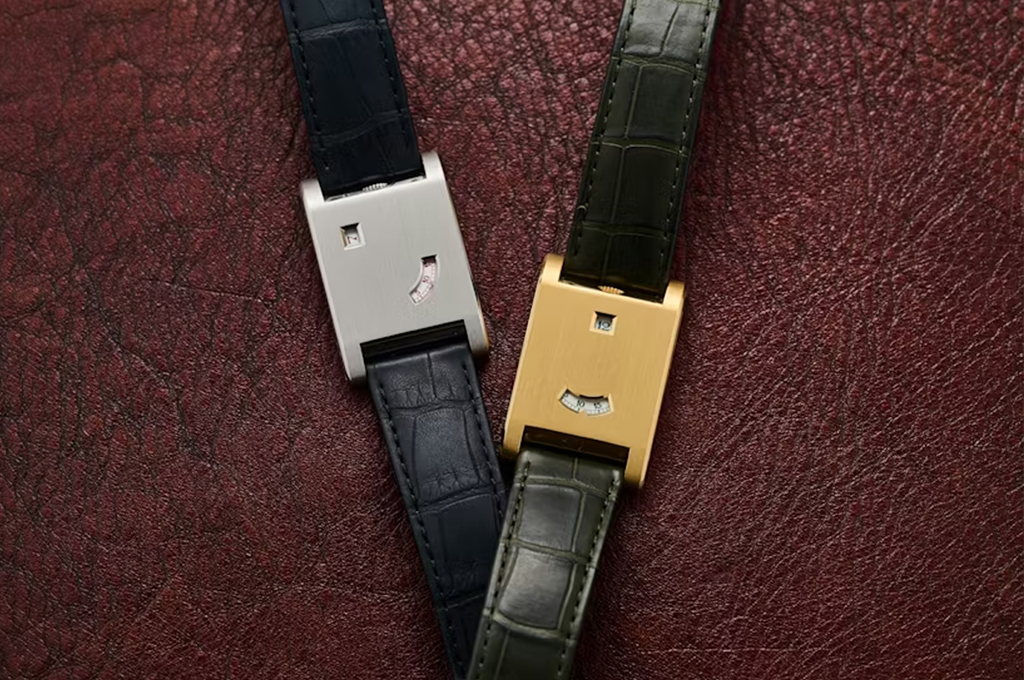
Then, according to him, Cartier has done an excellent job with the Tank à Guichet by refining it with a bold look. “I would love to see Rolex do a jump-hour like on some of its rare vintage Prince models and I would also love to see Breguet come out with some more wonderful jump-hour watches again. There are boundless possibilities,” he said.
In terms of continuing the legacy of designing jump-hour watches, the best thing for high-end watch brands to do would be to keep the momentum alive by coming up with a limited array of quite marvelous jump-hour pieces that reflect the luxury watch maisons’ rich heritage in this regard. “It’s an opportune moment for brands to showcase their vintage artistry in making jumping hour watches in sync with new innovative concepts,” Wind added.
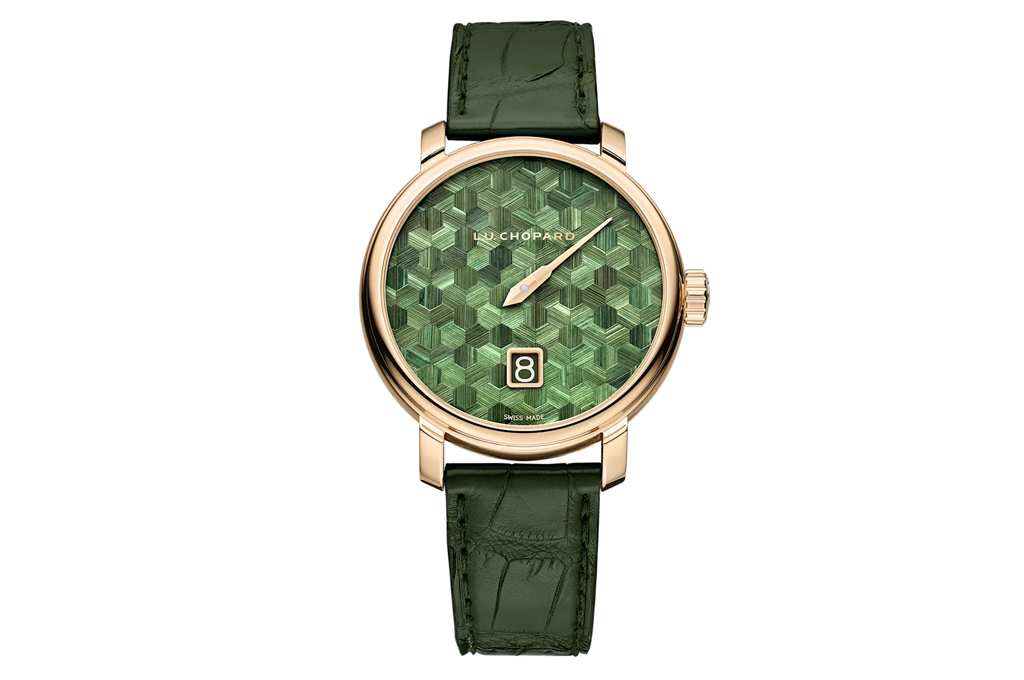
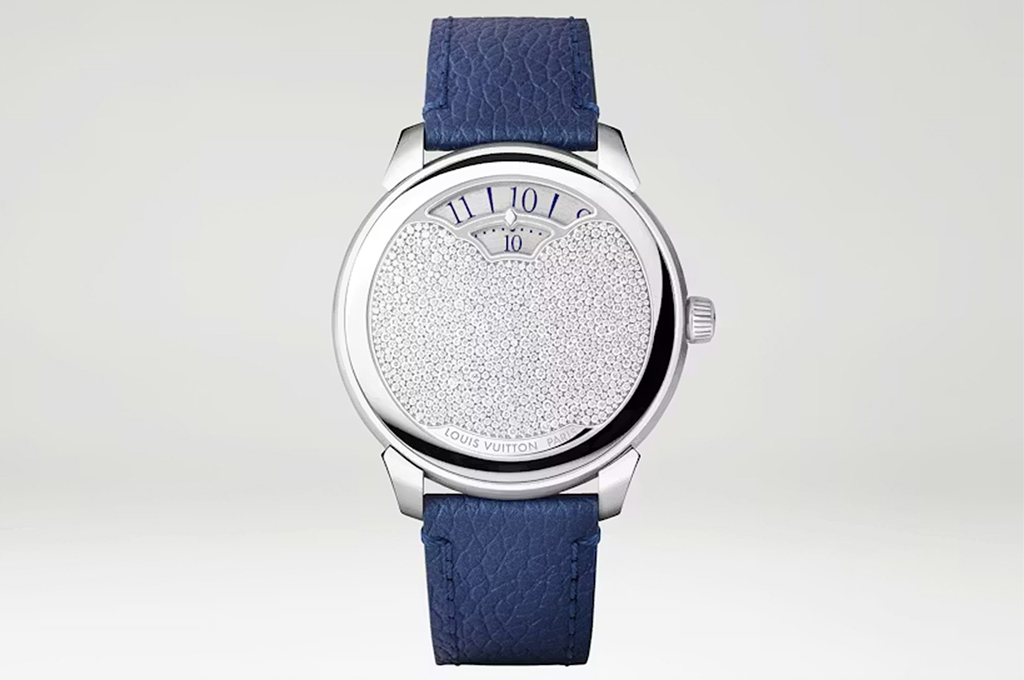
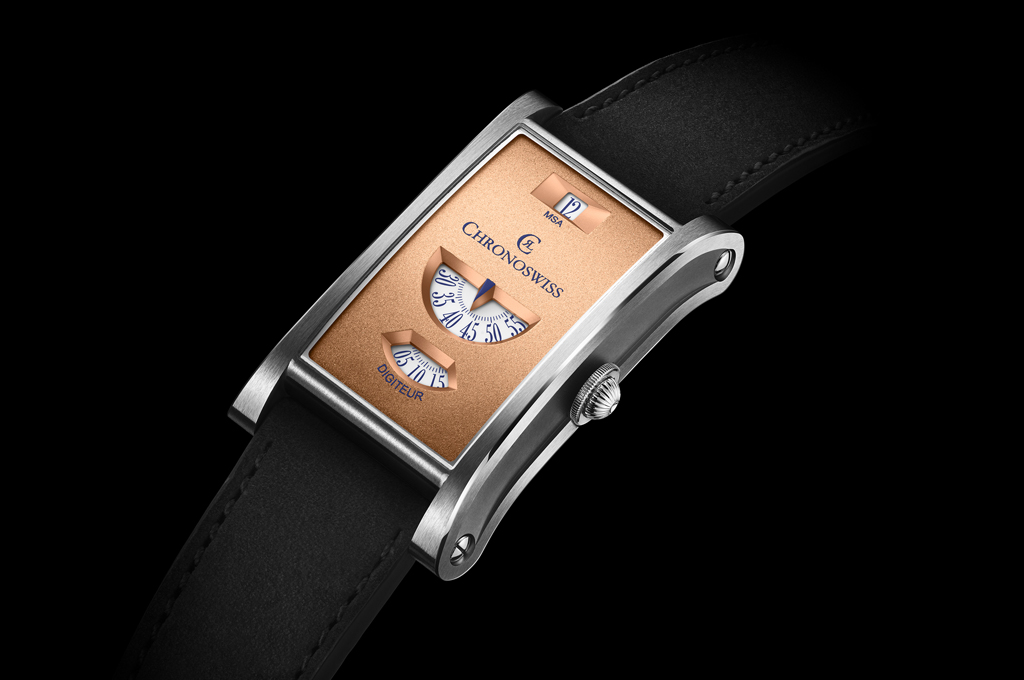
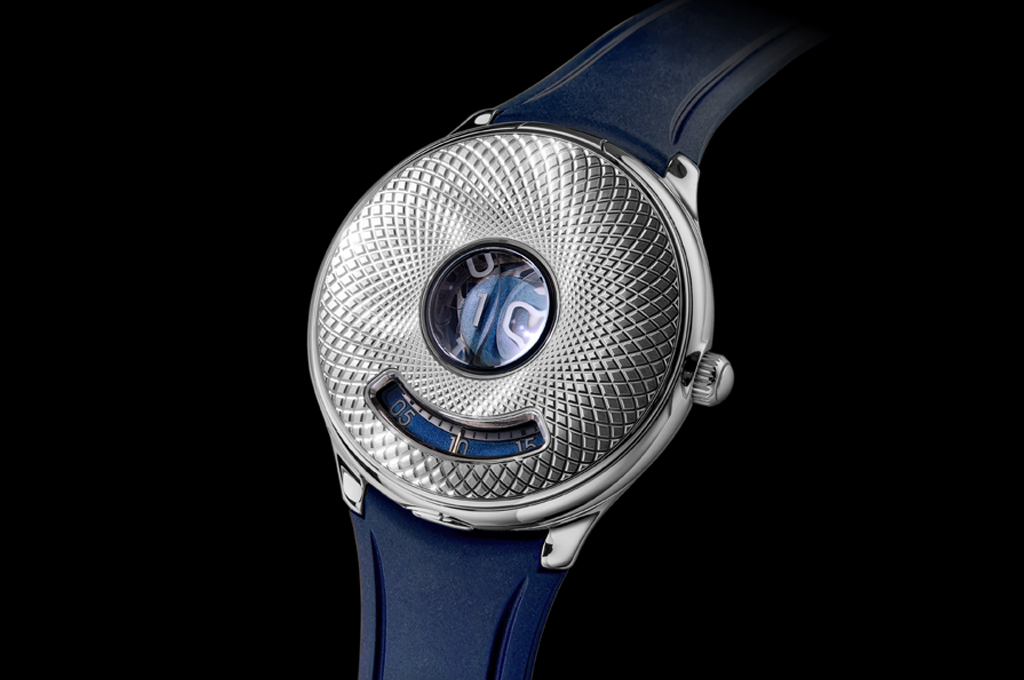
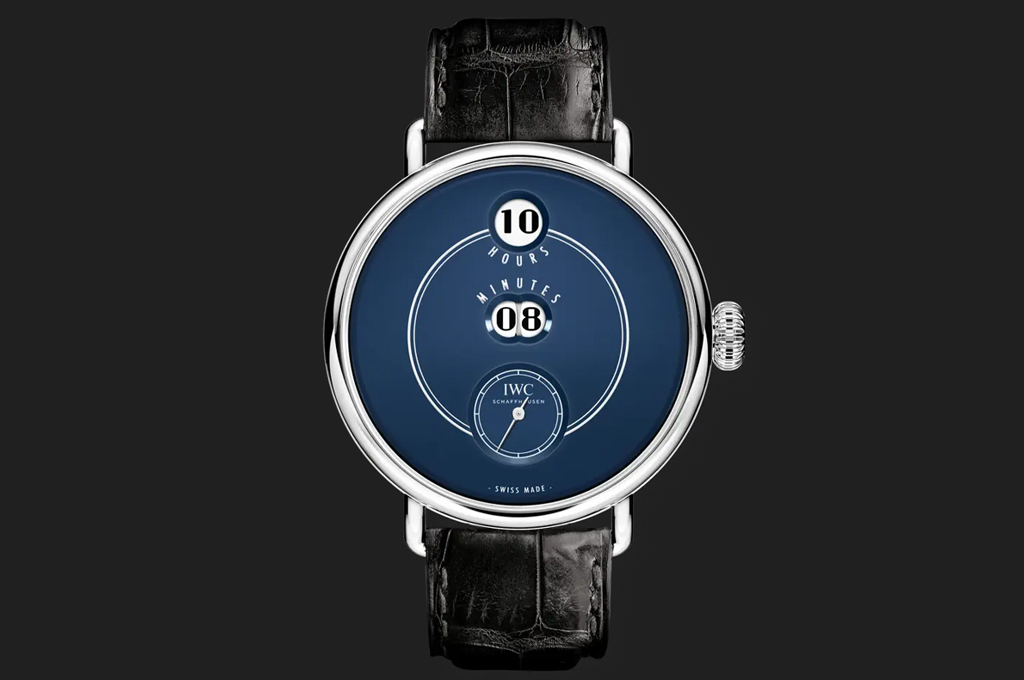
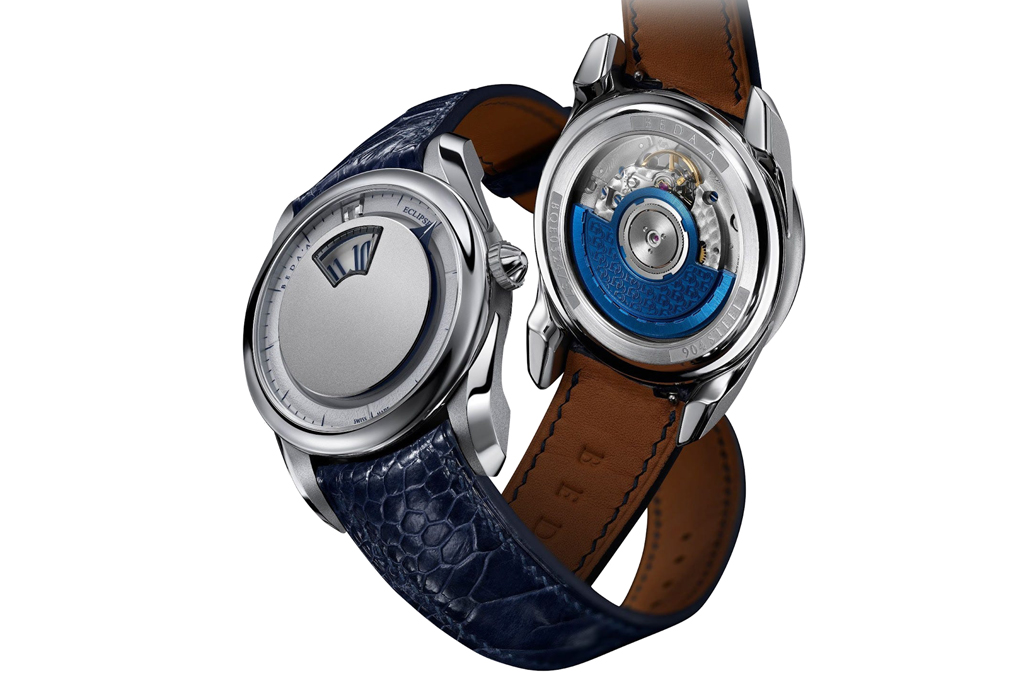
It’s no wonder that IWC also came out with its first-ever jump-hour watch as part of paying a tribute to Pallweber Edition “150” years which was a very famous pocket watch with jumping numerals. Interestingly, this pocket watch was named after the Austrian watchmaker Josef Pallweber who patented the mechanism behind his pocket watch in 1883 and then licensed it to IWC and other Swiss watch brands. On top of that, Louis Vuitton Tambour Convergence, Chopard L.U.C Quattro Spirit 25, Bremont Terra Nova Jumping Hour Stealth Black, Czapek Time Jumper, Beda’a Eclipse and Chronoswiss Neo Digiteur with a contemporary rectangular shape have all popularized the spectacle of jump-hour watches in a big way, precisely each adding their own characteristics to the mechanical and aesthetic brilliance. “It’s proof that only a handful of brands should be doing the task of designing jump-hour watches. Otherwise, if everyone made one, then it wouldn't be very special at all,” he said. “The craze would be gone.”
In a nutshell, the innovative revolution in the segment of jump-hour watches is an eye-catching development when it comes to working on avant-garde timepieces such as this that will always strike a chord with serious art connoisseurs.